
Is Transitioning to the Cloud the Right Decision for Accountancy Firms?
Accountancy firms are increasingly turning to cloud-based solutions to manage their sensitive financial data, enhance collaboration, and improve overall efficiency. However, cloud adoption also int...

Is Transitioning to the Cloud the Right Decision for Accountancy Firms?
Accountancy firms are increasingly turning to cloud-based solutions to manage their sensitive financial data, enhance collaboration, and improve overall efficiency. However, cloud adoption also int...
Accountancy firms are increasingly turning to cloud-based solutions to manage their sensitive financial data, enhance collaboration, and improve overall efficiency. However, cloud adoption also introduces new security considerations that must be carefully addressed.
Benefits of Cloud Adoption for Accountancy Firms
Transitioning to the cloud can offer several significant benefits for accountancy firms, including:
- Enhanced Scalability: Cloud-based solutions can seamlessly accommodate fluctuating workloads and data storage requirements, ensuring that firms can scale their infrastructure as needed without incurring significant upfront costs.
- Improved Collaboration: Cloud platforms enable secure and real-time collaboration among team members, clients, and external partners, facilitating efficient workflow management and enhanced client service.
- Cost-Effectiveness: Cloud-based solutions can eliminate the need for expensive on-premises hardware and software maintenance, potentially reducing IT costs over time.
- Increased Accessibility: Cloud-based data is accessible from anywhere with an internet connection, allowing accountants and clients to work remotely and access critical information anytime, anywhere.
Security Considerations for Accountancy Firms
While cloud adoption offers numerous advantages, it also presents potential security risks that accountancy firms must carefully address:
- Data Security: Cloud-based data storage raises concerns about data privacy and security. Firms must ensure that their chosen cloud provider adheres to stringent data security standards and implements robust security measures to protect sensitive financial information.
- Access Control: Cloud platforms must implement tight access controls to restrict data access to authorised personnel and prevent unauthorised access to sensitive financial data.
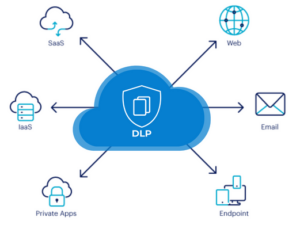
- Data Loss Prevention (DLP): DLP solutions can help identify and prevent unauthorised data exfiltration, safeguarding sensitive information from potential data breaches.
- Compliance with Data Regulations: Accountancy firms must comply with various data privacy regulations, such as the General Data Protection Regulation (GDPR) and the Health Insurance Portability and Accountability Act (HIPAA). Cloud providers must assist firms in meeting their compliance obligations.
Evaluating Cloud Readiness
Accountancy firms should carefully evaluate their cloud readiness before making the transition. This includes:
- Assessing Data Sensitivity: Identifying the types and sensitivity of data that will be stored in the cloud is crucial to determine the necessary security measures.
- Selecting a Reputable Cloud Provider: Choosing a reputable cloud provider with a proven track record of security and compliance is essential for safeguarding sensitive data.
- Implementing Robust Security Policies: Establishing clear security policies and procedures for cloud usage is essential to protect data and maintain compliance.
- Providing Employee Training: Educating employees about cloud security best practices can help prevent human error and reduce the risk of data breaches.
Transitioning to the cloud can provide accountancy firms with numerous benefits, including enhanced scalability, improved collaboration, cost-effectiveness, and increased accessibility. However, firms must carefully address the security considerations associated with cloud adoption to protect sensitive financial data and maintain compliance with data regulations. By carefully evaluating their cloud readiness, selecting a reputable cloud provider, implementing robust security measures, and providing employee training, accountancy firms can reap the rewards of cloud adoption while safeguarding their valuable assets.
Book your free X-Ray Assessment discovery call
Get confident in your cybersecurity posture in just 30 days.
Book a discovery call now to find out how.
.svg)
.png)
